
2025 - 2026
Design Trends
The interior design landscape of 2025–2026 is defined by a dynamic balance between emotional comfort, artistic expression, and purposeful living. Warm Minimalism sets the foundation with its serene, sensory-driven simplicity, while Earthy Vibrancy introduces deep, nourishing color palettes that reconnect homes to the natural world.
Sculptural Living amplifies artistry through curved silhouettes and organic forms that transform furniture into emotional focal points. Intentional Room Planning reflects a growing desire for structured, wellness-oriented living, as homeowners move away from open-concept chaos toward purposeful spatial storytelling.
Finally, Layered Eclecticism celebrates individuality, craftsmanship, and character-rich interiors shaped by collected objects and personal narratives. Together, these trends embody a shift toward restorative, meaningful design that prioritizes authenticity, emotional resonance, and long-term livability. The result is a new era of interiors that feel both grounded and expressive — where every space becomes a sanctuary, every object carries intention, and every home tells a story worth living in.
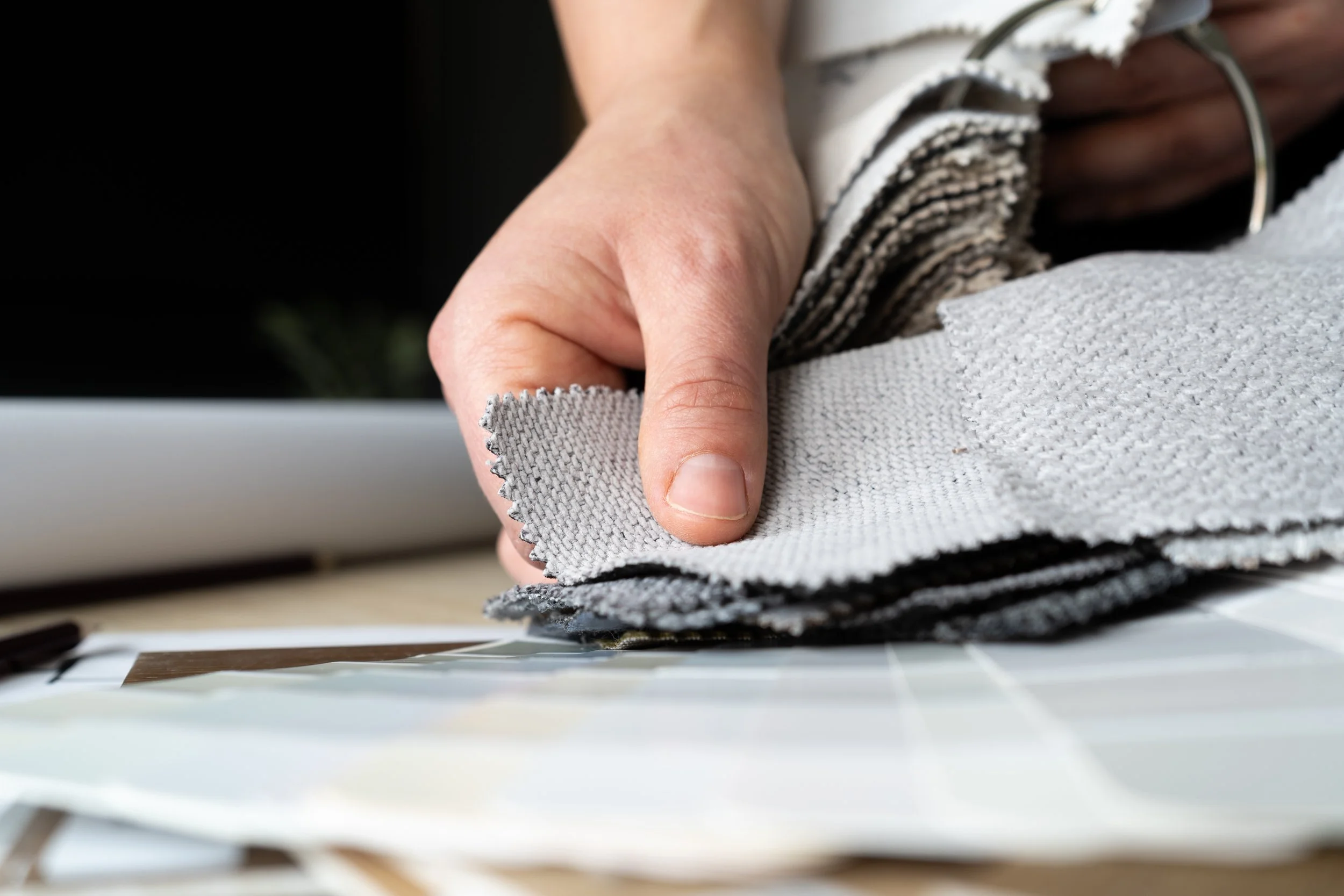
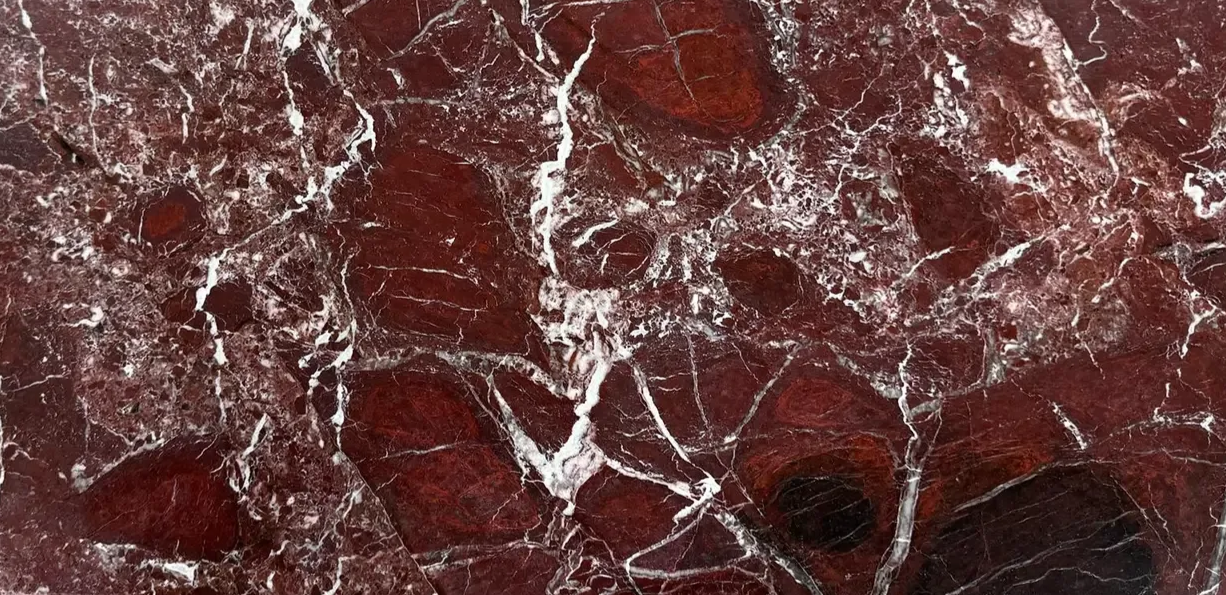
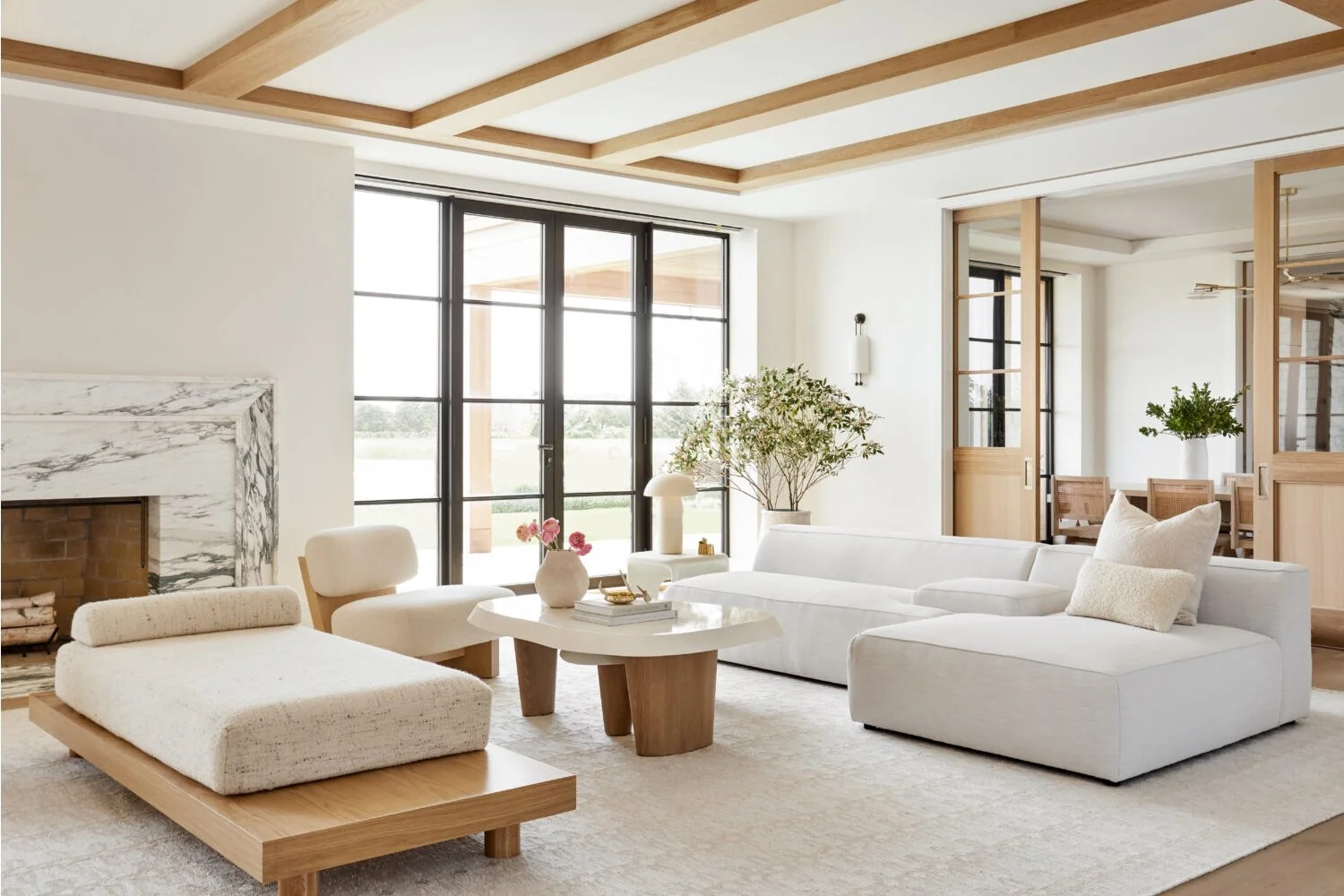
WARM MINIMALISM — The Rise of Soft, Soulful Simplicity
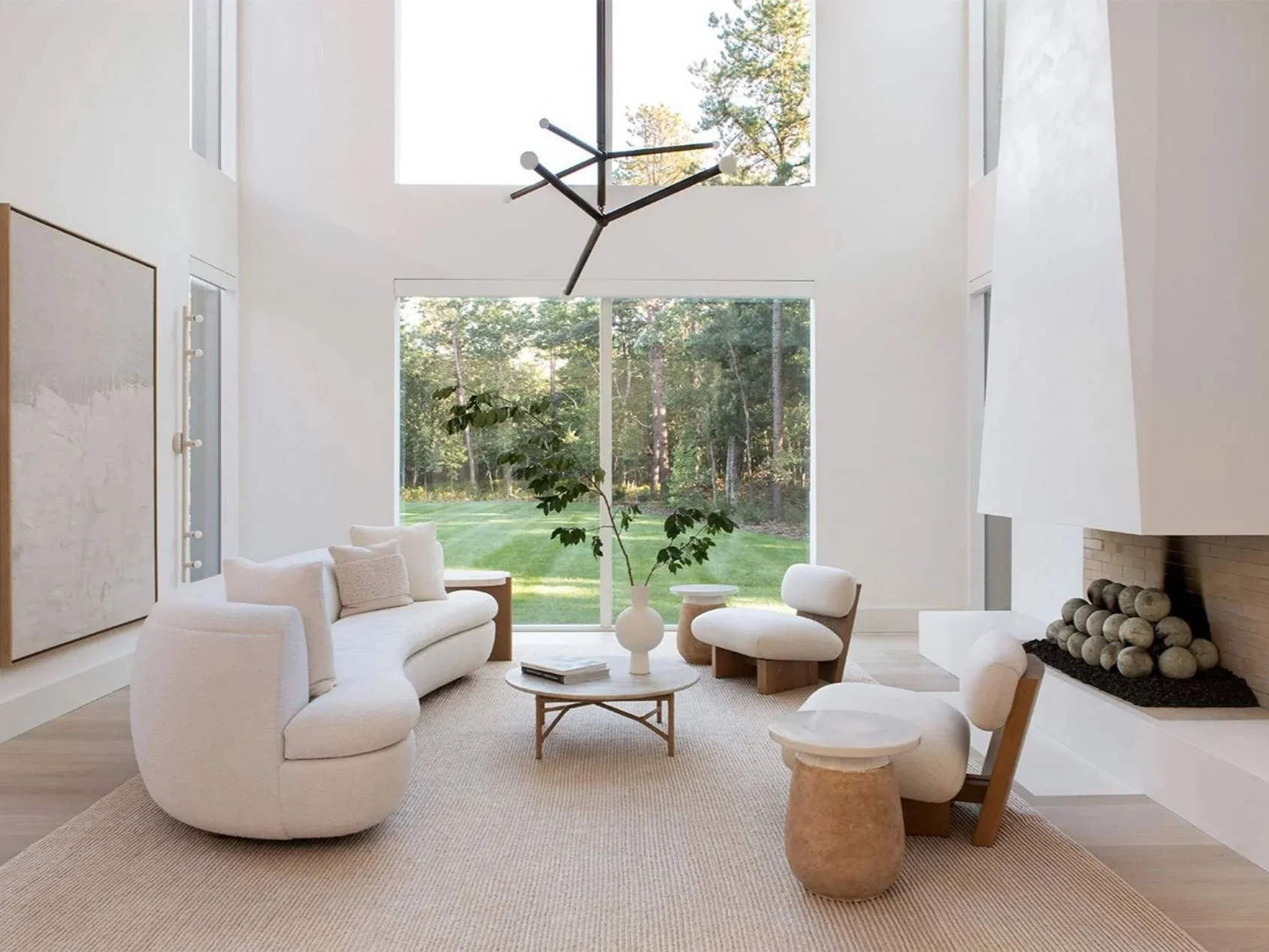
Warm Minimalism continues to dominate 2025–2026 as homeowners demand simplicity that still feels personal, comforting, and visually rich. Unlike the stark minimalism of the 2010s, this updated interpretation incorporates earthy tones, organic silhouettes, and soft textures that invite relaxation rather than austerity. Designers are increasingly using raw woods, bouclé fabrics, limewash walls, textured stone, and artisanal ceramics to add soul to quiet spaces. The palette leans into beiges, warm whites, mushroom tones, clay, wood-browns, and dusty neutrals that allow natural light to feel warmer. This look respects negative space while treating it as an active design element rather than a void. It works effortlessly in both modern and traditional homes, providing a flexible framework for layering. Warm Minimalism also pairs beautifully with sculptural lighting and hand-crafted objects that add micro-moments of interest without clutter. The result is a calm, grounded home environment that feels both purposeful and deeply human.
A key component of Warm Minimalism is the shift away from mass-produced décor toward items with authenticity, texture, and craftsmanship. Instead of dozens of accessories, designers choose one or two striking pieces — like a carved wooden side table or a hand-thrown vase — to create depth and intention. This trend also champions multi-functional furniture with clean lines, allowing even smaller spaces to feel open, modern, and harmonious. Materials like tumbled marble, natural-fiber rugs, and matte porcelain are gaining traction because of their organic tactility. Lighting is soft, layered, and atmospheric rather than bright and clinical, reinforcing the overall mood of serenity. Subtle asymmetry is also increasingly favored to break up the rigidity of traditional minimalism. Designers are recommending “sensory minimalism” — incorporating tactile materials and scent to create a multi-sensory retreat. It’s an understated yet emotion-driven design language that resonates with today’s wellness-focused consumer.
Warm Minimalism’s popularity stems from a larger cultural shift toward mindful living and restorative spaces. As more people work from home and crave emotional balance, interiors are expected to support calmness rather than sensory overload. This design trend provides visual quiet but emotional warmth, striking the perfect balance between beauty and comfort. It also reflects a philosophy of “curated restraint,” where everything in a room has a purpose or story. Clients are even requesting fewer digital elements in primary living spaces, leaning instead into materials that age naturally and develop patina. The style is especially effective in open-concept homes where warmth and cohesion need to stretch across multiple zones. Designers predict that Warm Minimalism will continue evolving with more sustainable materials, heirloom objects, and low-waste design solutions. Ultimately, it is the perfect trend for homeowners seeking timeless elegance without sacrificing soul or comfort.
EARTHY VIBRANCY
— Rich, Grounded Color Palettes Take Over
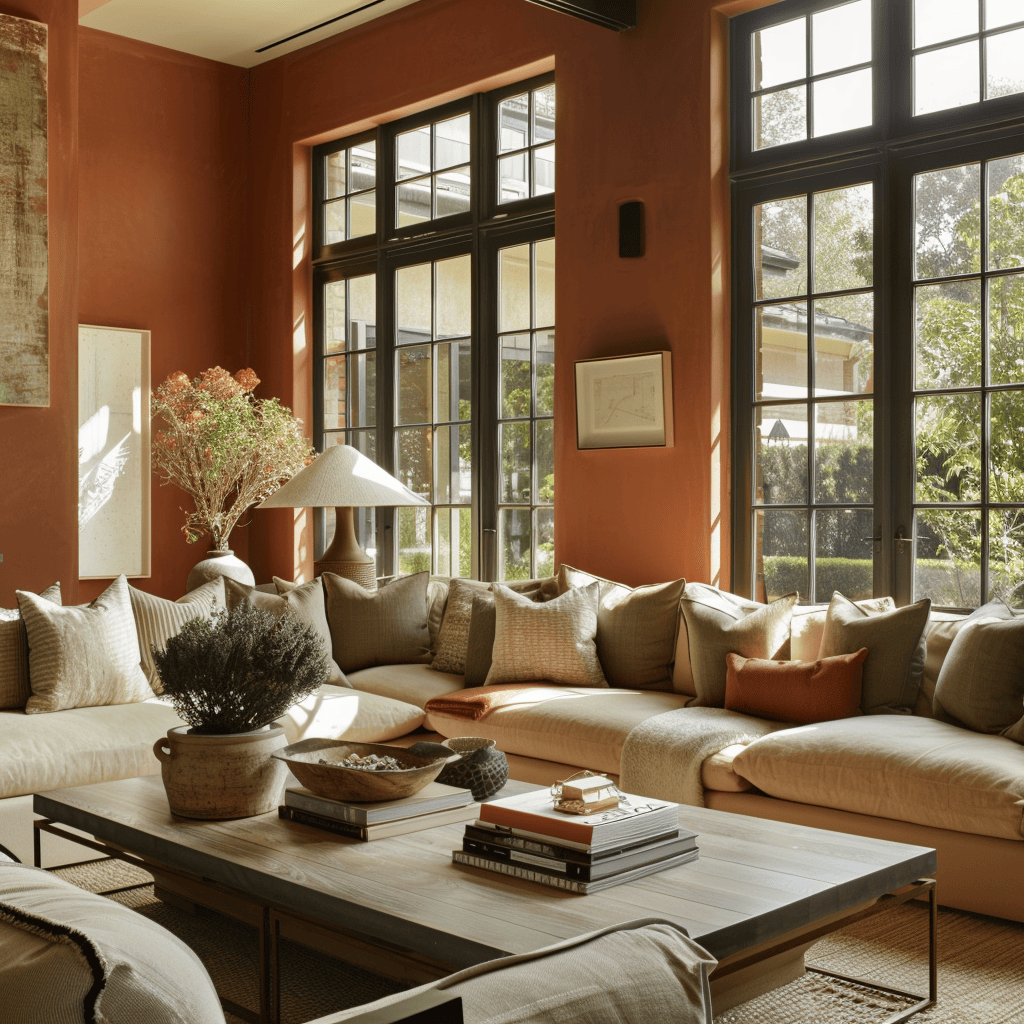
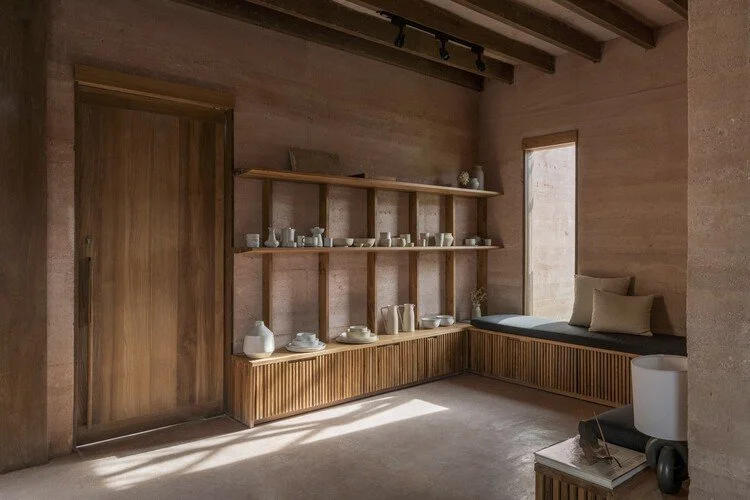
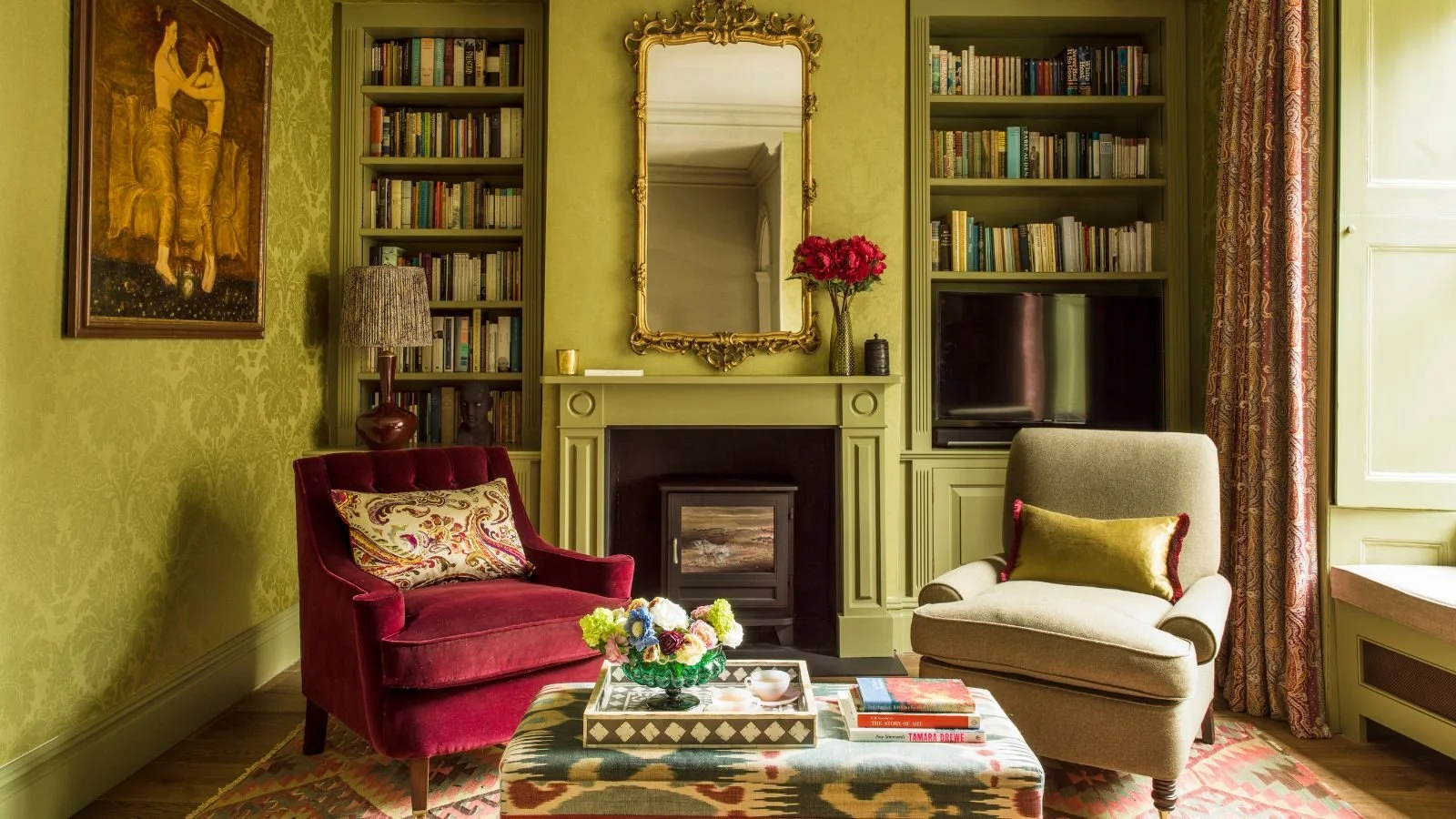
Rich, saturated, earthy colors will define 2025–2026 interiors as homeowners shift away from pale neutrals and sterile gray tones. Designers are gravitating toward hues inspired by clay, terracotta, moss, olive, saffron, chestnut, plum, and muted navy. These shades bring warmth, depth, and emotional resonance into every room, creating a sense of grounded sophistication. Earthy Vibrancy reflects a global design movement toward reconnecting with nature and embracing interiors that evoke comfort. These deeper hues also bring architectural features to life, enhancing window frames, molding, fireplaces, and room transitions. As consumers gravitate toward dopamine décor, earthy shades offer a more refined, long-lasting form of color expression. This palette is ideal for statement walls, textured upholstery, rugs, and even kitchen cabinetry. It’s an evolution of the organic modern movement — but elevated with deeper, moodier chromatic profiles.
Designers are pairing these intense hues with natural finishes like unfinished oak, travertine, raw marble, rattan, and hammered metal. When layered properly, earthy vibrancy avoids heaviness and instead creates a warm, enveloping atmosphere. Adding tactile fabrics such as velvet, linen, or mohair further enhances these spaces and introduces visual softness. Accent décor in bronze, aged iron, or brushed brass helps ground the color palette and adds contrast in a refined way. Designers also love using botanical art, tonal area rugs, and sculptural ceramics to pull these color stories together. This trend feels particularly at home in dining rooms, libraries, and bedrooms — spaces where saturation creates intimacy. Many homeowners are even exploring tone-on-tone color layering for a more immersive, boutique-hotel aesthetic. The result is a palette that feels sophisticated, emotional, and inherently tactile.
This trend reflects a cultural movement toward authenticity, warmth, and emotional connection in design. Earthy vibrancy rejects cold, sterile environments and makes way for interiors that feel lived-in and meaningful. The palette is versatile, working in both modern spaces and historic homes where architecture benefits from rich tonal emphasis. Designers predict that in 2026, we’ll see more use of unexpected combinations like olive and marigold or rust and plum — combinations that feel artisanal and global. It also supports the broader sustainability trend, as earthy hues pair beautifully with natural materials and vintage pieces. These colors age well, are less trend-dependent, and give interiors a timeless gravitas. Earthy vibrancy offers an introspective, grounded environment that mirrors the growing desire for mindful living. It’s a sophisticated aesthetic that transforms any home into a warm, artful sanctuary.
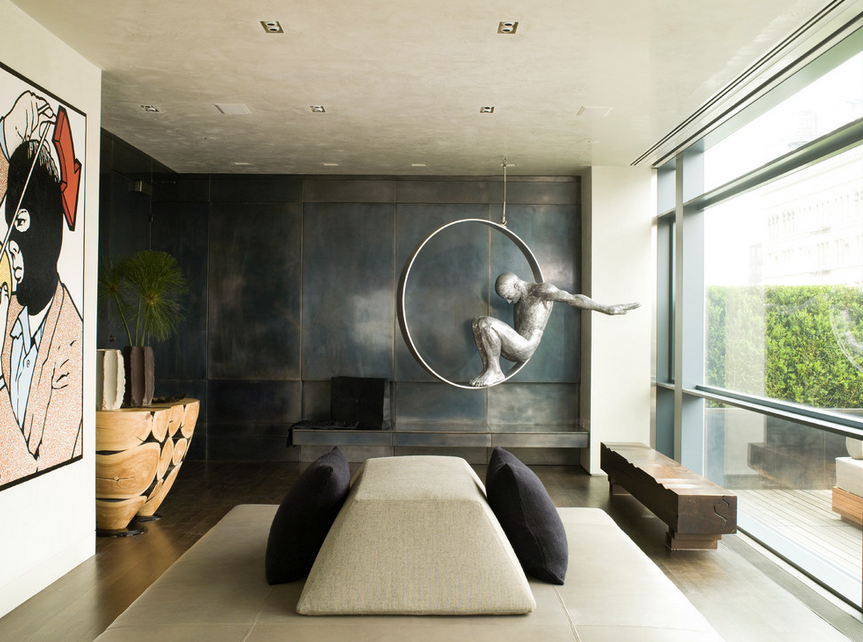
SCULPTURAL LIVING
Curved Forms & Artistic Silhouettes
Curved and sculptural furniture continues to soar in popularity as homeowners embrace fluid, organic shapes that add softness and movement to interiors. This trend celebrates furniture as functional art, turning everyday pieces into expressive statements. Designers are leaning into rounded sofas, arched cabinetry, curved headboards, cylindrical ottomans, and wave-inspired lighting. Curved silhouettes help to break up the predictability of straight architectural lines and create welcoming circulation paths. The aesthetic also draws inspiration from biomorphic design, mid-century influences, and even modern European luxury. Soft curvature enhances comfort and ergonomic flow, making rooms feel more human-centered. Sculptural furniture acts as a focal point in minimalist and maximalist homes alike, offering bold personality without visual clutter. The result is a refined yet imaginative approach to modern living.
Designers are pairing sculptural furniture with warm woods, textural rugs, and organic finishes to create environments that feel natural and harmonious. Curved pieces naturally soften the edges of a room, making them ideal for smaller spaces needing visual openness. They also photograph beautifully, making this trend extremely popular on social platforms like Instagram and Pinterest. Materials such as plaster, boucle, concrete, and polished wood elevate the sculptural aesthetic with tactile richness. Lighting plays an important role as well — with orb pendants, wavy sconces, and dome-shaped table lamps enhancing the architectural feel. Many luxury brands are creating customizable sculptural pieces, giving clients a chance to integrate bespoke artistry into their homes. Sculptural furniture also blends well with warm minimalism and earthy vibrancy, creating cohesive and elevated interiors. It’s a trend that invites creativity while maintaining timeless sophistication.
The rise of sculptural design aligns with a growing desire for character-rich homes that feel curated rather than mass-produced. Unlike flat-pack furniture, sculptural silhouettes offer individuality and artisan craftsmanship. They help anchor a space visually and emotionally, creating a sense of grounded beauty. As consumers continue valuing experiences, this trend transforms everyday life through objects that are not only functional but also emotionally inspiring. Designers predict the trend will move further into dining tables, armoires, and built-in architectural millwork. Curved wood joinery, carved stone, and fluid metalwork will become centerpieces in luxury homes. The sculptural movement is also connected to biophilic design, as natural forms evoke instinctive calm and familiarity. Overall, sculptural living creates spaces that feel expressive, elevated, and intuitively human.
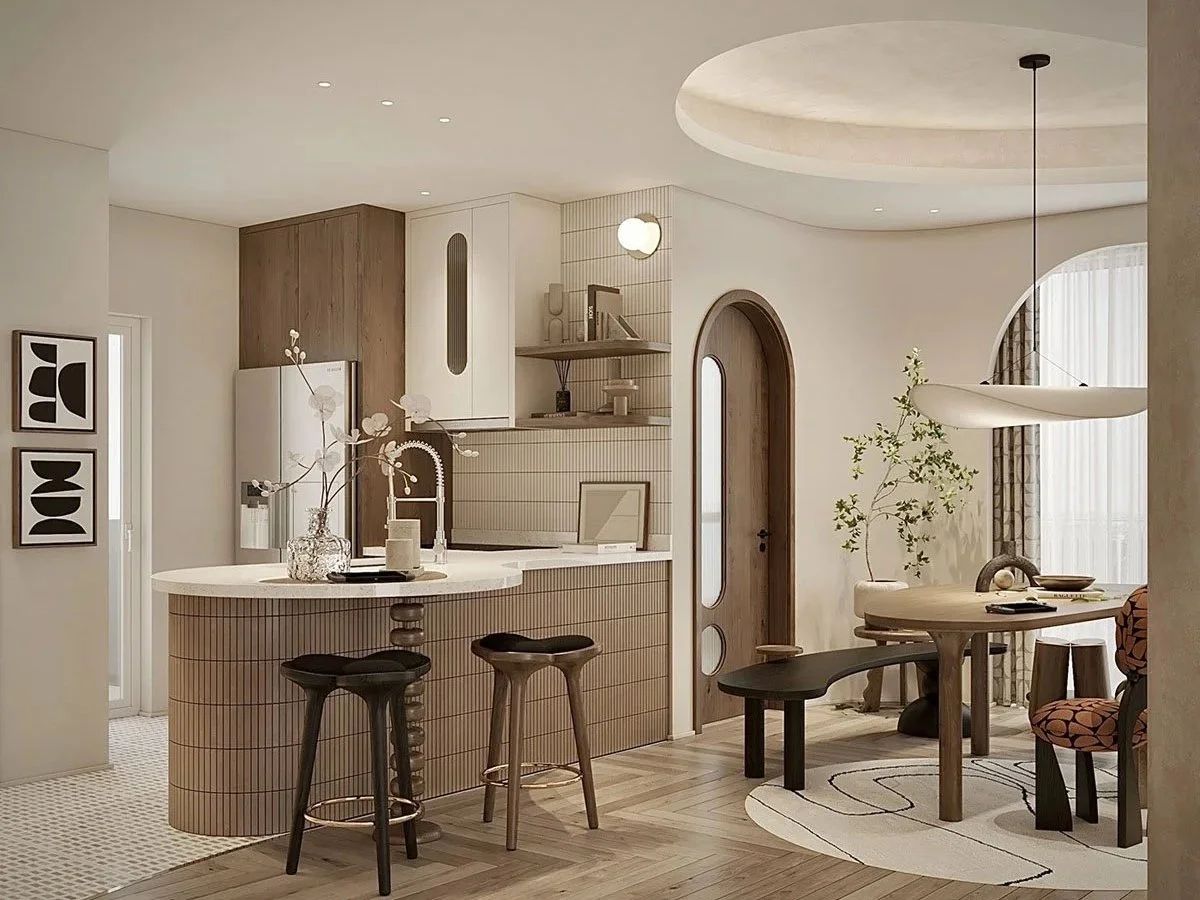
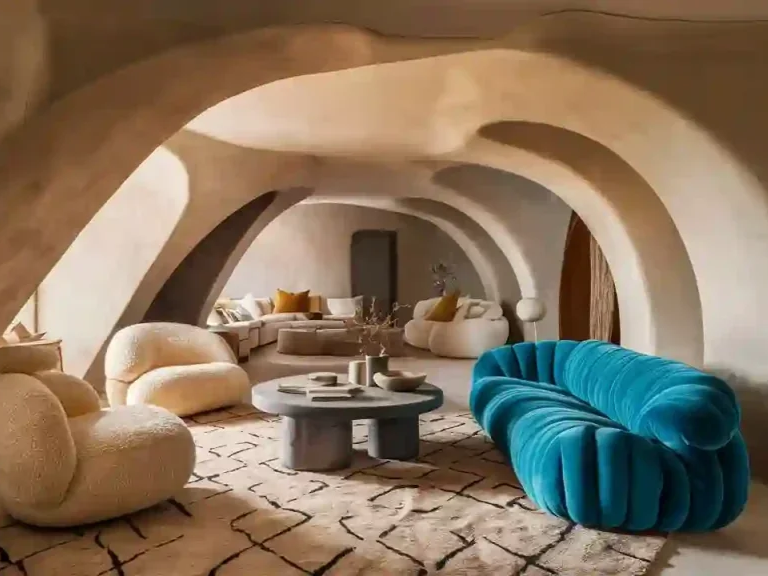
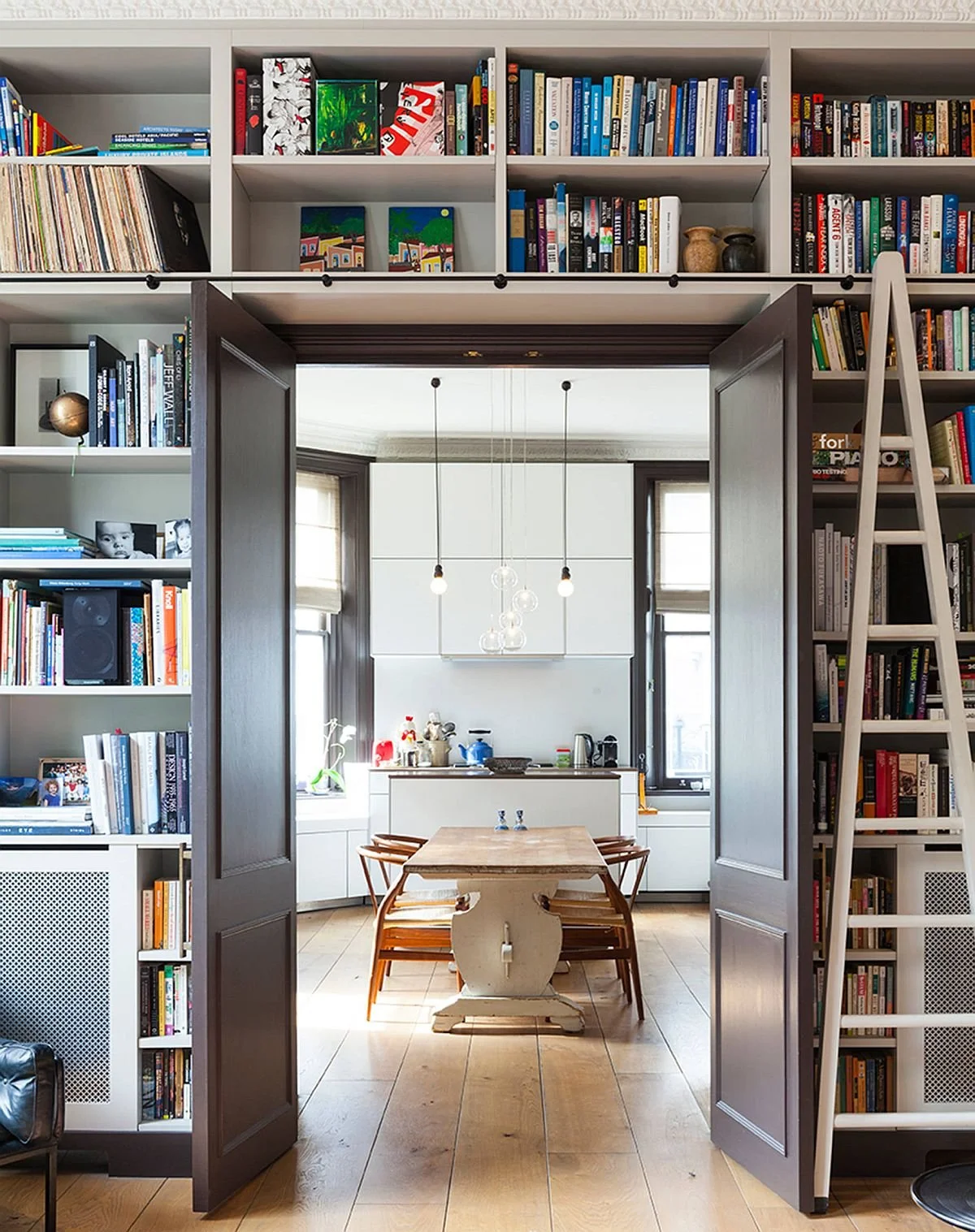
A major shift for 2025–2026 is the move away from the unrestricted open-concept layout toward more intentional, purpose-driven room planning. Homeowners are realizing that while open floor plans look airy, they often lack functionality, privacy, and acoustic comfort — especially in an era of work-from-home lifestyles. Designers are now crafting homes with clearly defined zones: reading nooks, wellness corners, office spaces, conversation areas, and hospitality-driven dining environments. This trend doesn’t mean closing everything off completely; instead, it embraces strategic spatial separation that feels intuitive and elegant. Many architects are using half walls, archways, built-ins, millwork, bookshelves, and furniture groupings to create visual boundaries without sacrificing flow. The goal is for each zone to have a clear purpose, allowing homeowners to feel grounded and organized in their daily routines. This structure also enhances interior storytelling, as each area takes on its own identity, texture, and emotional tone. As a result, homes feel more livable, more sophisticated, and better aligned with how people actually use their space.
Intentional room planning also supports better mental wellness by reducing visual noise and restoring a sense of calm. Rather than a single “mega-space” mixing cooking, working, lounging, and dining, designers are creating environments that separate stimulation from relaxation. Kitchens are gaining more enclosed or semi-enclosed layouts, which also reduces clutter visibility and increases storage opportunities. Living rooms are being reimagined as cozy sanctuaries rather than extensions of the kitchen island. Designers are also incorporating architectural texture — such as paneling, stone thresholds, or ceiling beams — as natural transitions between spaces. This helps anchor the home’s layout, giving each room a distinct atmosphere while still feeling cohesive. Even in smaller residences, screens, sliding doors, and modular furniture are being used to optimize flexibility without sacrificing aesthetic integrity. Overall, the trend fulfills a growing desire for homes that function as emotional refuges rather than uninterrupted, chaotic multipurpose spaces.
The return of intentional floor planning is deeply connected to the broader movement toward slow living, personalization, and wellness-oriented design. As people embrace rituals such as reading, meditation, cooking, self-care, and hosting, they want rooms that honor each activity with respect. Designers predict that built-ins — from window seats to floor-to-ceiling cabinetry — will surge in popularity because they define space while adding luxury and storage. This approach also increases real estate value by improving flow and emphasizing purposeful architecture. Instead of one giant open room, homes feel more like curated experiences with distinct chapters. The trend supports a more refined and European-influenced lifestyle, where each room is crafted with intent rather than left to serve multiple competing roles. It also encourages homeowners to be more mindful of how space affects mood and productivity. Ultimately, intentional room planning transforms houses into deeply personalized sanctuaries that support both everyday living and long-term well-being.
INTENTIONAL ROOM PLANNING
— The Return of Defined, Purposeful Spaces
LAYERED ECLECTICISM
Personality, Storytelling & Design Without Rules
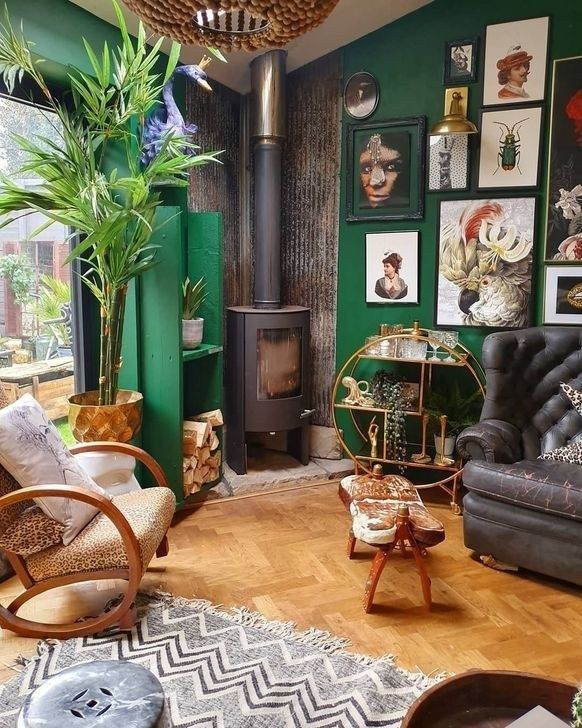
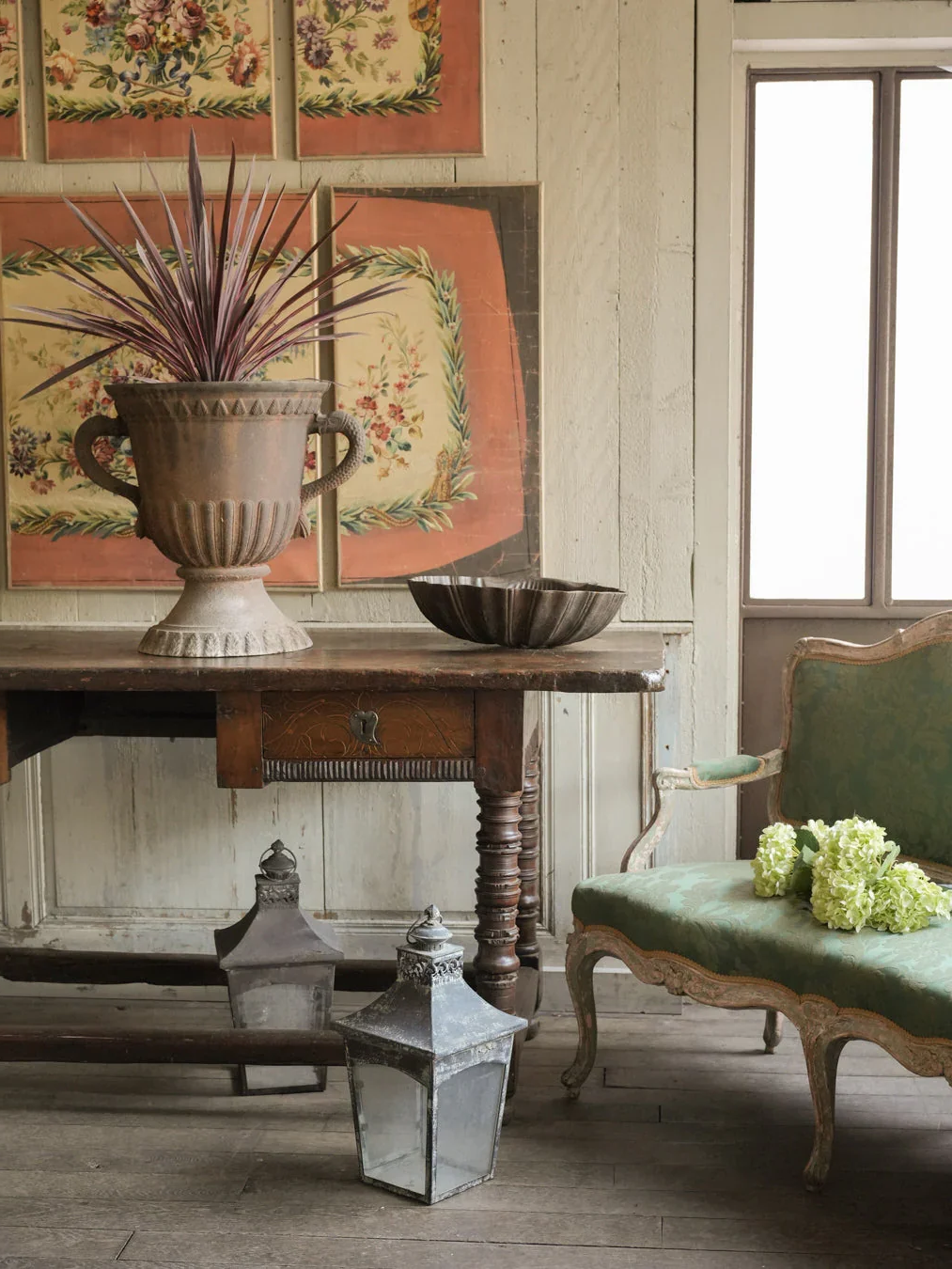
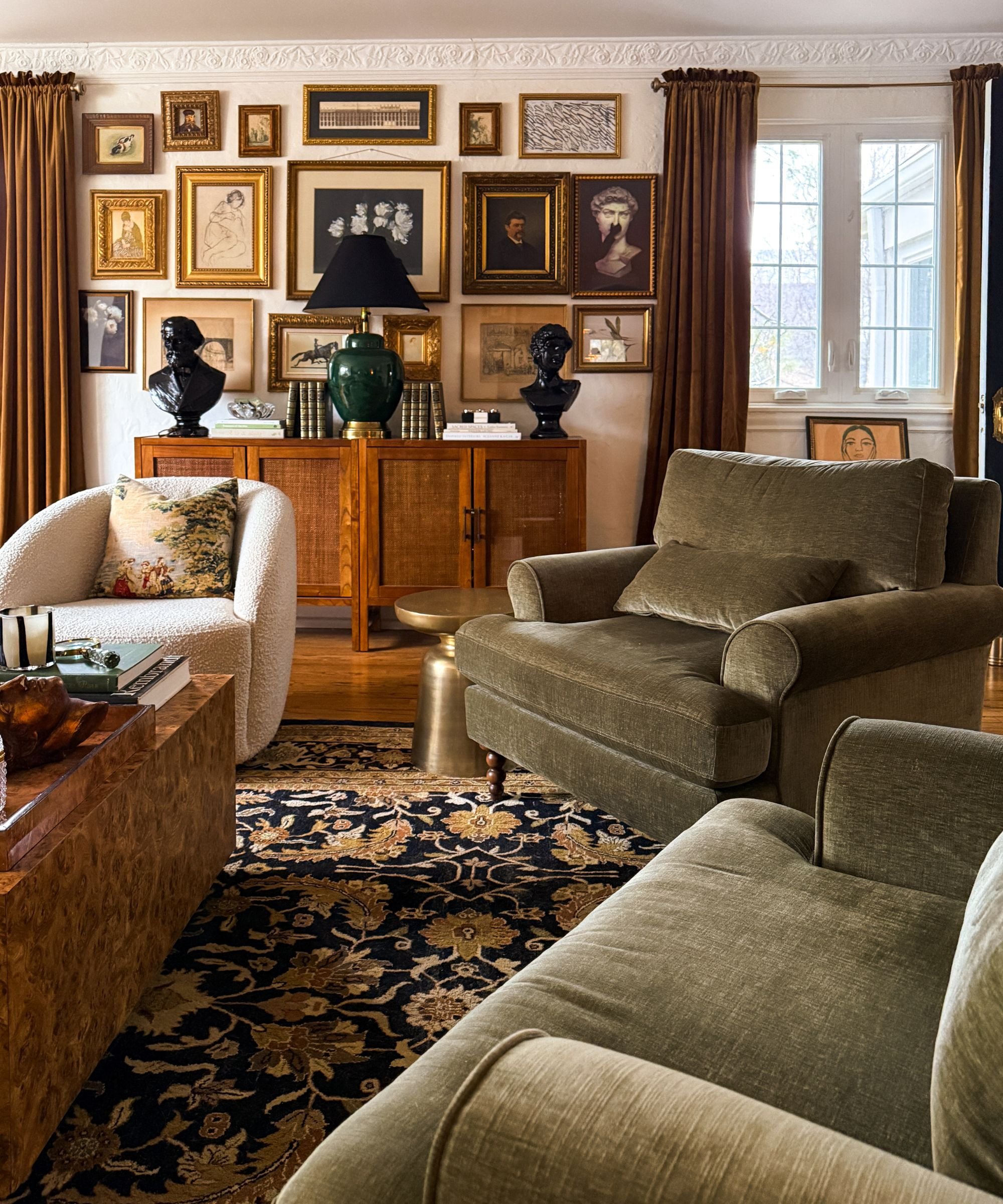
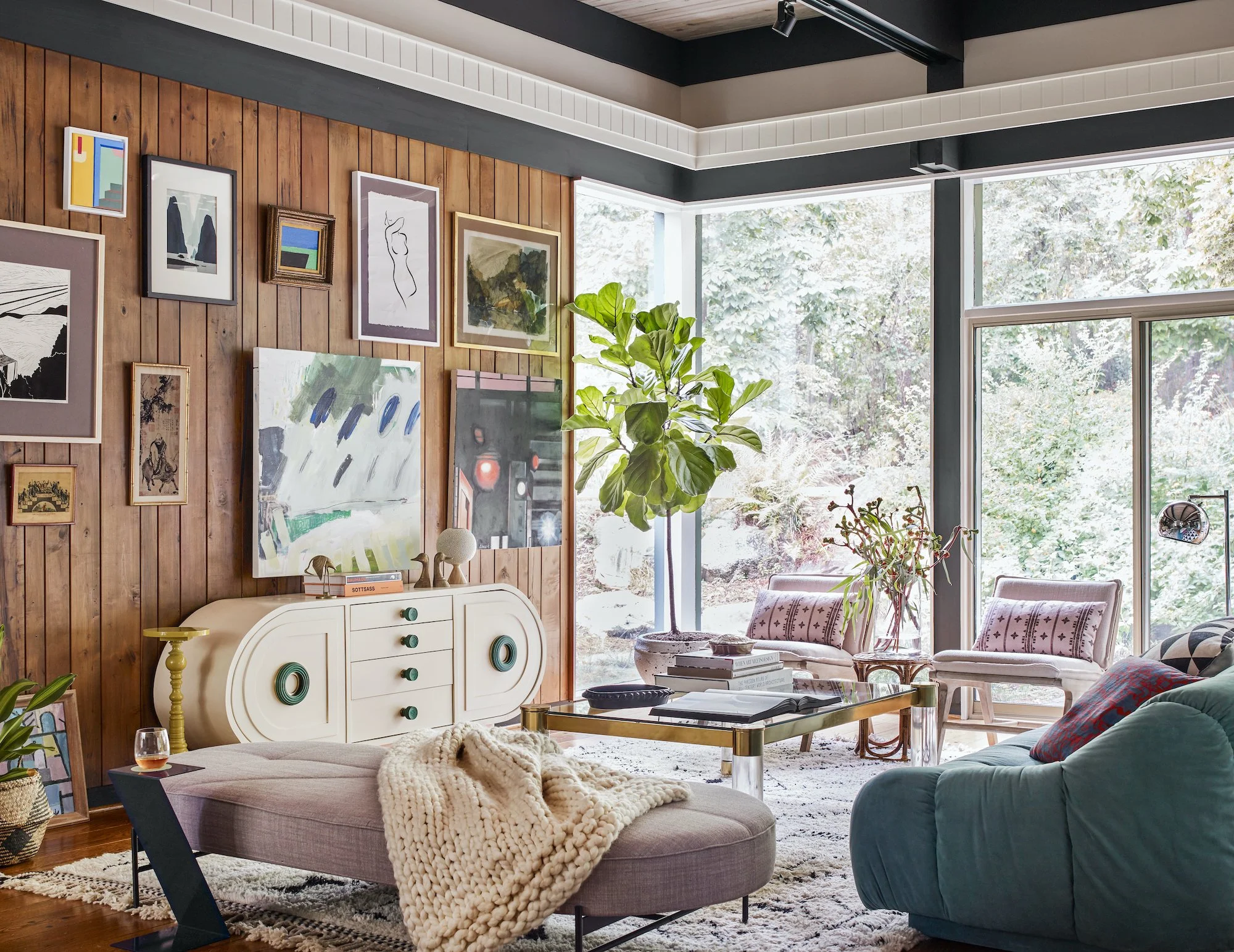
Layered Eclecticism is emerging as one of the most expressive and personal design movements of 2025–2026, celebrating individuality and rejecting overly coordinated, showroom-style interiors. This trend embraces mixing styles, eras, textures, and cultural influences to create rooms that feel deeply personal and visually rich. Designers are blending vintage pieces with modern silhouettes, pairing global textiles with contemporary art, and mixing metals, woods, and stone without fear of clash. The intention isn’t chaos — it’s curated personality, where every object contributes to the story of the space. Layered Eclecticism thrives on contrast: a marble table beside a distressed leather chair or an antique lamp illuminating a minimalist console. This aesthetic rewards long-term collecting rather than mass-market purchasing, giving homeowners the chance to build a home that evolves with them. It is warm, expressive, and inherently luxurious because it highlights craftsmanship and authenticity. As a result, every room feels like a thoughtfully curated gallery of lived experience.
A successful eclectic interior relies on intentional layering rather than randomness. Designers begin by establishing an anchor element — a rug, a piece of art, or a standout piece of furniture — then build layers of texture, color, and material around it. Mixing patterns is a hallmark of this trend, with florals next to geometrics and stripes paired with global prints. Textiles take center stage, from embroidered pillows to handwoven throws and richly patterned drapery. Vintage furniture, with its patina and history, brings soul and depth, while contemporary pieces keep the space feeling current and engaged. Decorative objects such as handcrafted ceramics, sculptural artworks, and travel souvenirs contribute layers of personal story. Eclectic rooms also benefit from sophisticated lighting — chandeliers, table lamps, sconces — that create warmth and highlight the interplay of textures. This choreography of elements results in spaces that feel collected, inviting, and intimately human.
Layered Eclecticism represents a cultural embrace of authenticity, craftsmanship, and individuality in an age saturated with digital sameness. Many homeowners want spaces that reflect their lives, not something that looks mass-produced or designed by algorithm. As sustainability becomes a priority, the trend naturally supports the use of vintage, antique, and artisanal items that reduce waste and elevate uniqueness. Designers are predicting more eclectic kitchens, with mixed-material islands, vintage-inspired lighting, and unexpected color combinations. Bedrooms are becoming soulful retreats filled with layered bedding, plush textures, and collected objects that feel personal. Even bathrooms are being reimagined with patterned tiles, aged brass fixtures, and curated accessories. This approach promotes emotional comfort because it surrounds people with meaningful pieces rather than disposable trends. Ultimately, Layered Eclecticism creates a home that feels like a reflection of a life well lived — stylish, storied, and unmistakably individual.